Artiure: Where Indias Art Finds New Expression
From a Personal Problem to a National Gap Arora, who also runs the IT consulting firm K2S Consulting, noticed early on that Indian buyers were hesitant about
- by Aayush Ladha 2026-07-06 11:51:52
A simple weekend experiment ended up shaping an entire business idea. Suumit Arora was exploring generative AI tools to design affordable, personalised artwork for his own home when he noticed something odd. There was hardly any place in India where people could discover, buy, or trust digital and AI generated art. That gap, small as it seemed at first, eventually grew into Artiure, a Gurugram based platform now working to reshape how Indians experience, buy, and value art.
Founded in 2025, Artiure takes digital and generative artworks and converts them into physical products, from large canvas prints to everyday items like coasters and wall decor. The idea is not just to sell pictures, but to build a genuine bridge between artists who create digitally and buyers who still prefer holding something tangible.
From a Personal Problem to a National Gap
Arora, who also runs the IT consulting firm K2S Consulting, noticed early on that Indian buyers were hesitant about digital art in a way that did not seem to exist elsewhere in the world. Physical ownership still carries emotional weight here, and many customers were unsure how a digital creation could hold the same value as a painted canvas.
Rather than treating this as a dead end, Artiure treated it as a design problem. By printing artworks at archival quality and offering them as finished, ready to display products, the platform slowly built trust with buyers who wanted the feel of traditional art without giving up the creativity of digital and AI generated work.
Built as a Two Sided Marketplace
Artiure functions as both a B2C and B2B marketplace. On the consumer side, the platform currently serves around 1,500 registered users, with about 100 of them converting into paying customers. Prices vary widely, from premium canvas prints priced above two lakh rupees to smaller decor pieces around nine hundred rupees, making the platform accessible across different budgets.
On the business side, Artiure is in talks with real estate developers for bulk artwork purchases, with deal sizes potentially reaching five to seven crore rupees for large scale orders of three to five thousand pieces. This dual approach gives the platform steadier footing than a purely consumer facing art marketplace would typically have.
The platform currently hosts close to nine hundred artworks spread across twelve hundred product formats, with a growing pipeline of artists expected to join soon. Every sale is split seventy percent to the artist and thirty percent to the platform, a structure designed to keep the incentive for creators strong.
Supporting Artists Beyond the Sale
What makes Artiure's approach stand out is its attempt to solve problems that go beyond simple transactions. Many artists, particularly those working from smaller towns and remote areas, struggle with irregular income and limited access to formal financial systems. Artiure has been working on helping these artists access loans, while a connected NGO arm is helping set up life insurance coverage for artists and their families.
The platform is also preparing to introduce an art leasing model, letting customers rent high value artworks for six month periods at subsidised rates, an option aimed at buyers who want premium art without a large upfront cost. Partnerships with interior design firms are also being explored, extending Artiure's role beyond the initial sale and into long term styling and decor support.
A 3D Exhibition Experience
To help artworks stand out in a crowded digital space, Artiure recently introduced a 3D exhibition feature that lets buyers explore collections in an immersive, gallery like setting online. Early response to this feature has been encouraging, and it reflects a broader pattern in the platform's growth strategy: invest in discoverability and genuine word of mouth rather than paid advertising.
Notably, Artiure runs without traditional ad spend. The founder has chosen to let trust and organic reach build the brand during its early phase, with plans to explore wider marketing only once the ecosystem matures. A physical gallery space is also on the horizon, which would give the platform a real world touchpoint to complement its online presence.
Funding, Focus, and What Comes Next
Arora has invested close to one crore rupees of his own money into Artiure so far, describing the venture as still being in its pre revenue stage. Rather than chasing outside investment early, he has chosen to fund growth through profits generated by K2S Consulting, prioritising control over how the platform curates its artists and artworks.
That said, external funding is not entirely off the table. The plan is to keep building the ecosystem carefully in the near term, with fundraising likely to enter the picture once the business model shows stronger signs of scaling. The near term goal is an annual recurring revenue of around one million dollars, once the current B2B pipeline converts into consistent business.
Why This Matters for India's Art Economy
India has no shortage of artistic talent, but monetising that talent, especially for digital and AI assisted creators, has remained a persistent challenge. Artiure's model tries to address several problems at once: buyer hesitation around digital ownership, artist income instability, and the lack of structured pathways connecting creators with serious buyers, whether individuals or businesses.
By combining archival quality printing, artist first revenue splits, financial inclusion efforts, and a growing B2B pipeline, Artiure is positioning itself as more than a marketplace. It is attempting to become an ecosystem where digital creativity gets the same respect, value, and staying power as traditional art forms.
Whether Artiure becomes a defining name in India's art economy will depend on execution over the coming years, but the direction it has set, blending technology, trust, and artist welfare, gives it a meaningful head start in a space that has long needed exactly this kind of attention.
POPULAR POSTS
How Praveen Gowdru Went From Building VMEDO To Launching Tez Health And Why He Betting On Home Healthcare
by Aakash Ladha , 2026-07-01 11:01:27
How a Kerala Startup is Using Robots to Clean Sewers and Manholes
by Aakash Ladha , 2026-07-14 12:14:26
Flipkart Co-founder Sachin Bansal Navi Plans ₹3,000 Crore IPO by March 2027: Report
by Aakash Ladha , 2026-07-09 12:32:27
Big Media Communications: Powering India Creator Economy
by Aakash Ladha , 2026-07-03 12:29:39
EazyPharmacy: The Startup Making Medicines Easier to Find Across India
by Aakash Ladha , 2026-06-30 10:31:54
Campa Cola Hits ₹4,700 Crore, Becomes India 4th Largest Soft Drink Brand
by Rahul Rathee, 2026-06-30 11:24:04
Pine Labs IPO 2025: Listing Date, Grey Market Premium, and Expert Outlook
by Shan, 2025-11-05 09:57:07

Follow on Insta
RECENTLY PUBLISHED
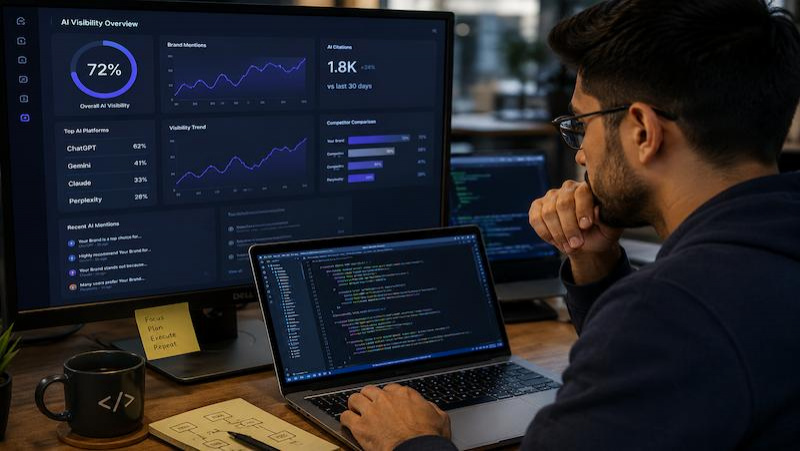

What Is LLM Visibility? A Simple Guide to Checking Your AI Visibility
- by Aakash Ladha , 2026-07-15 11:44:33
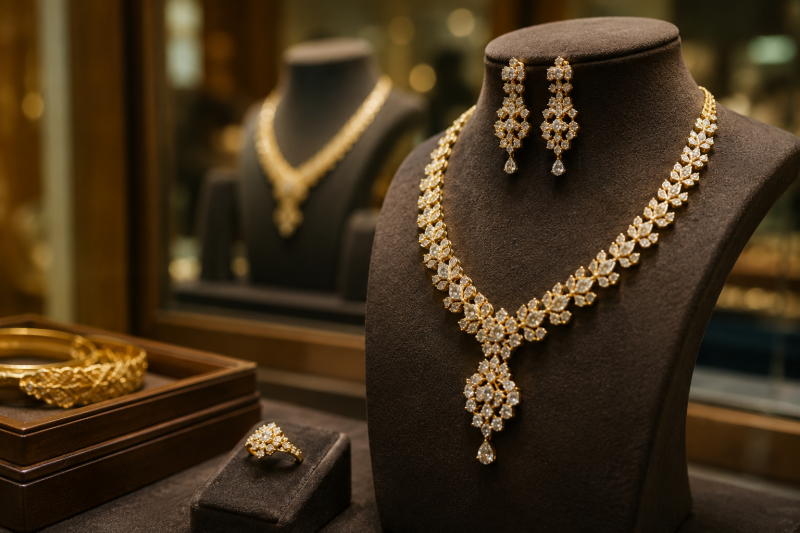
Luxemettle Redefining Indias Jewellery Market With Personalized Craftsmanship and Story Driven Design
- by Aakash Ladha , 2026-07-14 12:07:23
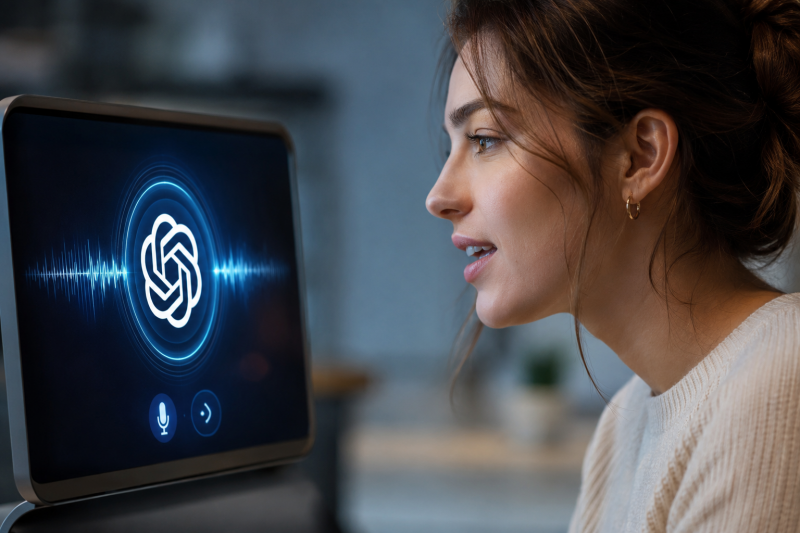
OpenAI Launches GPT-Live: Making Conversations with ChatGPT Feel Truly Human
- by Aayush Ladha, 2026-07-14 12:28:52
Otobot Technologies: Driving the Future of Automotive Innovation
- by Aayush Ladha, 2026-07-06 12:06:39
Calcutta Stock Exchange Really Make a Comeback Heres Whats Going On
- by Aayush Ladha, 2026-06-30 12:05:32
 Subscribe now
x
![logo]()