How a Kerala Startup is Using Robots to Clean Sewers and Manholes
From a College Project to a National Solution The story begins at MES College of Engineering in Kuttippuram, Malappuram, where four students Vimal Govind M
- by Aakash Ladha 2026-07-14 12:14:26
For decades, cleaning a blocked sewer line in India meant sending a person down into a narrow, gas-filled pit with nothing more than a rope and a prayer. Despite laws banning the practice since 1993, manual scavenging has continued to claim lives across the country, with hundreds of deaths recorded in the last few years alone from asphyxiation, toxic fumes, and falls inside manholes. A group of young engineers from Kerala decided this was a problem technology could solve, and their answer has quietly changed how several Indian states manage their sewage systems.
From a College Project to a National Solution
The story begins at MES College of Engineering in Kuttippuram, Malappuram, where four students Vimal Govind MK, Arun George, Rashid K, and Nikhil NP were pursuing mechanical engineering. In 2015, a news report about the deaths of two sanitation workers and a bystander who tried to save them, all killed by toxic gas inside a manhole, pushed the group toward a specific goal: building a machine that could do this work without putting a human body at risk.
By 2017, the team had formalised their idea into a company, Genrobotics Innovations, based in Thiruvananthapuram. With early support from the Kerala Startup Mission and seed funding from Unicorn India Ventures, they built their first working prototype, and in early 2018 launched a machine called Bandicoot widely described as the world's first automated sewer-cleaning system.
What the Machine Actually Does
Bandicoot is built to mimic the movement of human limbs. It has an arm-like unit that descends into a manhole, spreads out, and scoops solid waste, sediment, and debris into a collection bucket, all while being controlled by an operator standing safely above ground. Cameras, sensors for detecting harmful gases, and a monitor let the operator watch the entire process without ever entering the pit. According to reporting on the technology, cleaning a small sewer line takes about 15 minutes, while larger, more heavily blocked ones can take closer to 45 minutes.
The system was first tested and adopted by the Kerala Water Authority in Thiruvananthapuram, and its use has since spread well beyond the state. As of recent company statements, the machine has been deployed across 19 states and three union territories, with several hundred units in active use and thousands of manholes cleaned to date. Kerala itself has been described as the first Indian state to fully mechanise its manhole-cleaning process, following an official rollout by the state's Water Resources Minister in 2023.
Why This Matters Beyond the Technology
The real significance of this story is not the engineering, though that is impressive in its own right. It's the social shift the company has tried to engineer alongside it. Manual scavenging in India has long been tied to caste-based discrimination, with the most dangerous and degrading sanitation work disproportionately forced onto marginalised communities. Genrobotics has said its goal was never simply to remove workers from the job, but to retrain them as operators of the very machines that replaced the manual task turning a stigmatised, dangerous occupation into a technical one.
To make that transition realistic, the company built a simple control interface, reportedly developed in collaboration with Google, so that operators without formal technical training or literacy could still run the equipment confidently. The company has also pushed for a change in vocabulary, suggesting that a "manhole" a term that implies a person must physically enter it be replaced with "machine hole." That specific phrase was reportedly adopted by the Indian government as an official term, a small but symbolically loaded shift in how sanitation work is described.
Growth, Funding, and What Comes Next
Genrobotics has expanded well past its original product line. It has developed a separate unit for cleaning deep wells inside sewage treatment plants, where oxygen levels can drop dangerously low, and has moved into exoskeleton technology aimed at industrial and healthcare use, including support for workers doing physically demanding labour and people with mobility limitations. The company has drawn investment from Zoho and other backers, and has reported steady, if uneven, revenue growth over recent years, with profitability affected in part by research spending and shifts in government procurement cycles.
The company has also started looking outward, exporting its sewer-cleaning equipment to Malaysia and exploring opportunities in Southeast Asia, the Gulf, and parts of Africa regions that face sanitation infrastructure challenges broadly similar to India's.
The Bigger Picture
What makes this story worth paying attention to isn't just that a Kerala-based company built an impressive piece of engineering. It's that the company chose to frame its entire business model around a specific, decades-old public health and human rights problem, one that government policy alone had failed to solve despite legal prohibitions dating back over 30 years. Mechanising sewer cleaning doesn't automatically end manual scavenging everywhere adoption still depends on municipal budgets, procurement decisions, and whether local bodies choose to prioritise safety investments over cheaper informal labour. But the scale of deployment so far, spanning dozens of cities and multiple states, suggests the model has moved past the pilot stage and into genuine, if incomplete, national adoption.
For sanitation workers, the shift represents something more immediate than statistics: fewer people being asked to risk their lives for a job that technology can now do more safely. For Indian cities more broadly, it represents an early example of homegrown engineering solving a distinctly local infrastructure problem, rather than importing a solution built for a different context. Whether this approach scales to cover all 5,000 or so urban local bodies in the country, as the founders have said they hope, will depend as much on policy will as it does on the technology itself.
POPULAR POSTS
How Praveen Gowdru Went From Building VMEDO To Launching Tez Health And Why He Betting On Home Healthcare
by Aakash Ladha , 2026-07-01 11:01:27
Flipkart Co-founder Sachin Bansal Navi Plans ₹3,000 Crore IPO by March 2027: Report
by Aakash Ladha , 2026-07-09 12:32:27
Big Media Communications: Powering India Creator Economy
by Aakash Ladha , 2026-07-03 12:29:39
Artiure: Where Indias Art Finds New Expression
by Aayush Ladha, 2026-07-06 11:51:52
EazyPharmacy: The Startup Making Medicines Easier to Find Across India
by Aakash Ladha , 2026-06-30 10:31:54
Campa Cola Hits ₹4,700 Crore, Becomes India 4th Largest Soft Drink Brand
by Rahul Rathee, 2026-06-30 11:24:04
Pine Labs IPO 2025: Listing Date, Grey Market Premium, and Expert Outlook
by Shan, 2025-11-05 09:57:07

Follow on Insta
RECENTLY PUBLISHED
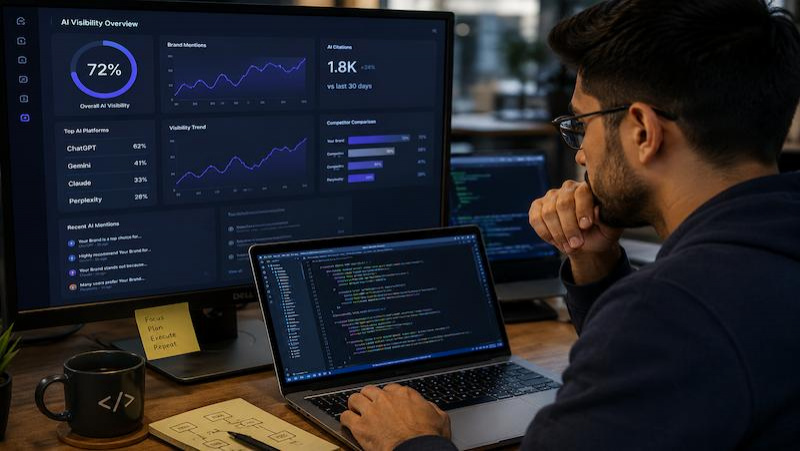
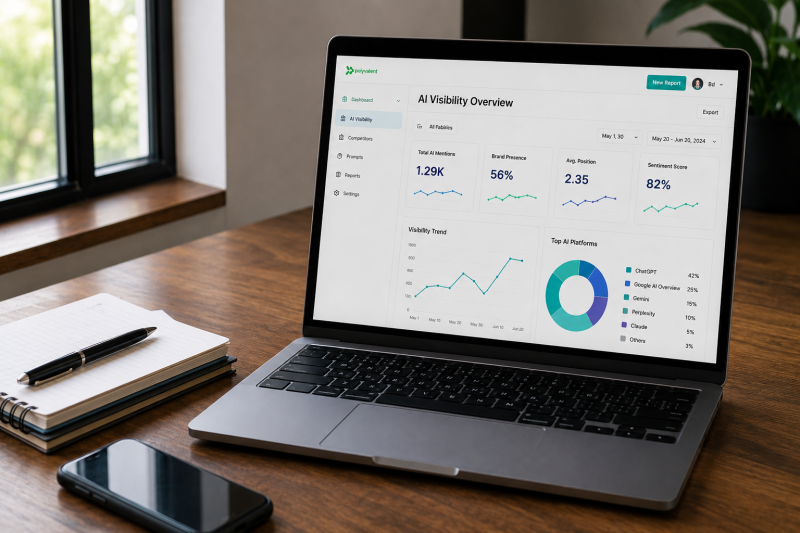
What Is LLM Visibility? A Simple Guide to Checking Your AI Visibility
- by Aakash Ladha , 2026-07-15 11:44:33

Luxemettle Redefining Indias Jewellery Market With Personalized Craftsmanship and Story Driven Design
- by Aakash Ladha , 2026-07-14 12:07:23
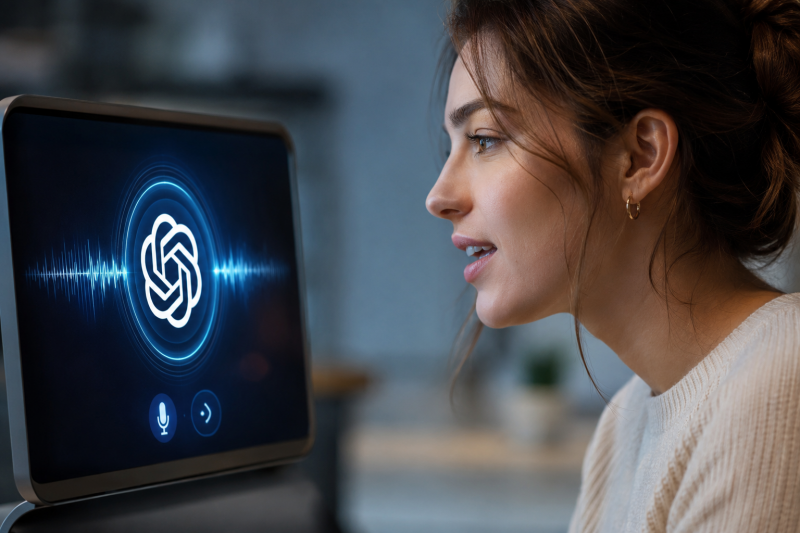
OpenAI Launches GPT-Live: Making Conversations with ChatGPT Feel Truly Human
- by Aayush Ladha, 2026-07-14 12:28:52
Otobot Technologies: Driving the Future of Automotive Innovation
- by Aayush Ladha, 2026-07-06 12:06:39

Calcutta Stock Exchange Really Make a Comeback Heres Whats Going On
- by Aayush Ladha, 2026-06-30 12:05:32
 Subscribe now
x
![logo]()